
Meet Your New York Continuing Requirements Quickly & Affordably.

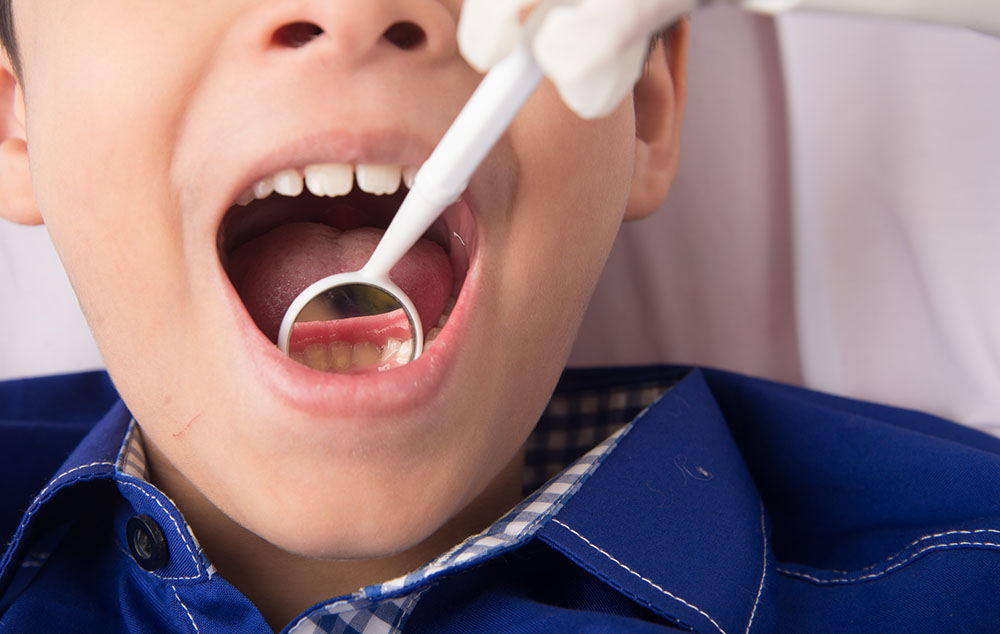
Oral health is a foundational yet sometimes underestimated component of pediatric preventive care. For children, the mouth is not an isolated system; it is intricately connected to nutrition, speech development, growth, and systemic health. Increasing evidence from reputable organizations such as the Centers for Disease Control and Prevention (CDC), the American Academy of Pediatric Dentistry (AAPD), and the American Heart Association (AHA) reinforces the importance of maintaining good oral hygiene in childhood, with implications far beyond preventing tooth decay. Routine habits like brushing and flossing teeth are central to preventive dental care, reducing the risk of childhood cavities and contributing to overall health outcomes across the lifespan.
The Burden of Pediatric Oral Disease
Dental caries remains the most common chronic disease of childhood. According to the CDC, approximately one in five children aged 5 to 11 years has at least one untreated decayed tooth, and the prevalence is higher among children from lower socioeconomic backgrounds. Early childhood caries can lead to pain, infection, difficulty eating, sleep disturbances, and missed school days. From a healthcare system perspective, untreated dental disease contributes to emergency department visits and avoidable healthcare costs.
Importantly, cavity prevention in childhood is achievable. Dental caries is preventable through evidence-based strategies that include daily tooth brushing with fluoride toothpaste, regular flossing once adjacent teeth are in contact, dietary counseling to limit free sugars, and timely professional dental care. When oral health is integrated into routine pediatric preventive care, these measures can significantly reduce disease burden.
Preventive Dental Care Starts Early
Preventive dental care should begin in infancy. The AAPD recommends establishing a dental home by the child’s first birthday or within six months of eruption of the first tooth. This early engagement allows healthcare professionals to assess caries risk, guide caregivers on oral hygiene practices, and provide anticipatory guidance tailored to the child’s developmental stage.
Brushing teeth twice daily with an age-appropriate amount of fluoride toothpaste is one of the most effective interventions for preventing dental caries. Fluoride strengthens enamel, enhances remineralization, and inhibits bacterial metabolism. For children under three years, a smear or rice-sized amount of fluoride toothpaste is recommended; for children aged three to six years, a pea-sized amount is advised, with supervision to minimize swallowing.
Flossing teeth is equally important once two teeth touch, as interdental surfaces are particularly susceptible to plaque accumulation and decay. While flossing can be challenging for young children, caregiver-assisted flossing plays a crucial role in comprehensive plaque removal and long-term prevention of childhood cavities.
Oral Health and Systemic Connections
Beyond local diseases, oral infections can have systemic consequences. One of the most clinically significant links is between oral bacteria and endocarditis, a potentially life-threatening inflammation of the inner lining of your heart valves and chambers. Infective endocarditis occurs when bacteria enter the bloodstream—often through routine activities such as chewing or brushing in the presence of inflamed or infected gingival tissues—and attach to damaged cardiac tissue.
The AHA has long recognized poor oral health as a modifiable risk factor for bacteremia-associated complications. While endocarditis is rare in otherwise healthy children, those with certain congenital heart conditions or prosthetic cardiac materials are at increased risk. Maintaining optimal oral hygiene through brushing teeth and flossing reduces gingival inflammation and bacterial load, thereby lowering the frequency and magnitude of bacteremia during daily activities.
This connection underscores why preventive dental care is not merely a dental concern but a medical one. Healthcare professionals play a critical role in identifying oral health risks and reinforcing preventive strategies, particularly for children with underlying medical vulnerabilities.
Emerging Research: Probiotics for Oral Health
In recent years, research has explored adjunctive approaches to oral disease prevention, including probiotics for oral health. Probiotics are live microorganisms that, when administered in adequate amounts, confer health benefits to the host. While traditionally associated with gastrointestinal health, specific probiotic strains have shown promise in modulating the oral microbiome.
Studies published in peer-reviewed journals suggest that certain Lactobacillus and Streptococcus strains may inhibit the growth of cariogenic bacteria such as Streptococcus mutans, reduce plaque accumulation, and decrease gingival inflammation. Some randomized controlled trials in children have demonstrated modest reductions in caries risk and improvements in gingival health with probiotic supplementation delivered via dairy products, lozenges, or chewable tablets.
However, it is important to emphasize that probiotics for oral health are considered adjuncts, not replacements, for established preventive measures. Brushing teeth with fluoride toothpaste, flossing, and maintaining regular dental visits remain the cornerstones of preventing childhood cavities. Ongoing research is needed to clarify optimal strains, dosages, delivery methods, and long-term safety in pediatric populations.
The Role of Healthcare Professionals
Integrating oral health into pediatric preventive care requires a multidisciplinary approach. Primary care providers are uniquely positioned to screen for oral health issues, apply fluoride varnish, assess caries risk, and educate caregivers during well-child visits. The U.S. Preventive Services Task Force supports fluoride varnish application in primary care settings for children at increased risk of dental caries.
Caregiver education is particularly critical. Parents and guardians often underestimate the importance of primary teeth, assuming they are less important because they will eventually be replaced. In reality, primary teeth are essential for proper nutrition, speech development, and maintaining space for permanent teeth. Early loss due to caries can predispose children to malocclusion and increased dental treatment needs later in life.
Healthcare professionals should provide consistent, clear messaging on brushing teeth twice daily, flossing teeth regularly, limiting sugary snacks and beverages, and seeking routine preventive dental care. For children with special healthcare needs or chronic conditions, collaboration between medical and dental providers is essential to ensure comprehensive risk management, including endocarditis prevention.
Conclusion
Oral health is a critical, evidence-based component of pediatric preventive care with far-reaching implications for overall health. Routine practices such as brushing and flossing are simple yet powerful tools for preventing childhood cavities and reducing the risk of systemic complications associated with oral infections, including endocarditis. Emerging research on probiotics for oral health offers promising adjunctive strategies but does not replace the proven benefits of preventive dental care.
For the medical profession, integrating oral health into routine pediatric care is both an opportunity and a responsibility. By prioritizing education, early intervention, and interprofessional collaboration, healthcare professionals can help ensure that children not only grow up with healthy smiles but also with a stronger foundation for lifelong health.